
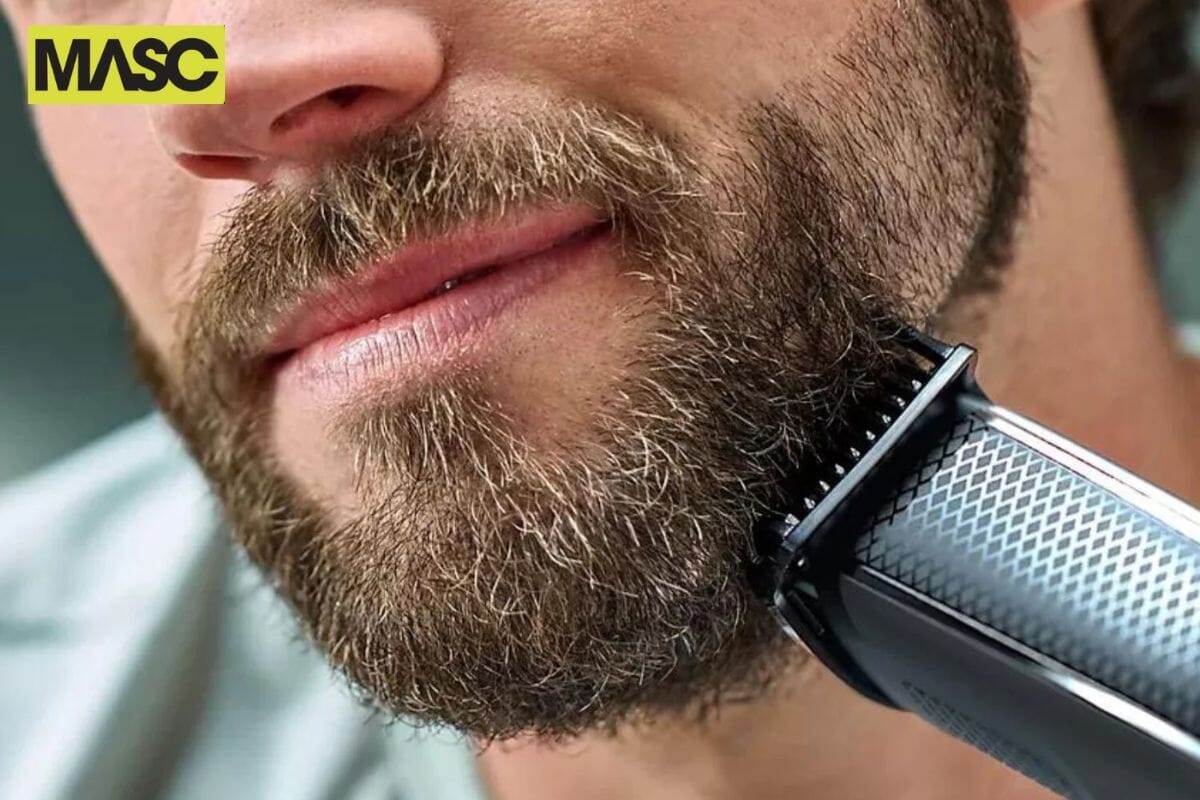
How do you grow and maintain a mustache? If you'd asked my 17-year-old self, back when I first started growing one, I’d have told you it was a tough job.
Fast-forward to today, and ironically, after building an entire career around men’s grooming, I can say growing a mustache isn’t that complicated. I mean, isn’t it just about letting it grow?
The real challenge (and the question I get asked a lot) is:
-
What mustache style suits my face?
-
How do I grow it without looking like a creep?
-
What products should I use or avoid?
-
How to (and how not to) trim?
If you’re new to the mustache game, this is the ultimate guide. I’ve kept it regularly updated with ALL the essentials you need to know and use throughout your mustache journey.
Growing Mustache: Key Takeaways From This Guide
For many people, the style is the challenge. So the table below quickly addresses that. However, the following sections of this post will focus on growing a mustache from scratch.
|
Style |
Description |
Ideal Face Shape |
Maintenance Level |
|
Chevron |
Thick, wide, covers the upper lip |
Oval, square |
Medium |
|
Handlebar |
Curled tips, long sides |
Oval, triangle |
High |
|
Pencil |
Thin, narrow strip above the lip |
Square, oval |
High |
|
English |
Narrow, parted in the middle, slightly long |
Oblong, narrow faces |
High |
|
Zappa |
Thick with a soul patch, trimmed edges |
Round, oval |
Medium |
|
Toothbrush |
Small, boxy under the nose (like Charlie Chaplin) |
Oval, square |
High |
|
Natural |
Grows without shaping, follows natural line |
Any |
Low |
How long it takes to grow each style depends on the person. On average, facial hair grows about 0.3 to 0.5 millimeters per day. So, it may take a few weeks (or even months) before you have enough growth to start shaping your stache.
If you're just starting out, it's normal to be curious about what to do or avoid and which products to use or skip. But from my own experience, the most important first step is to ask yourself, is this really for me?
Before You Begin, Is a Mustache Right for You?

Generally, you want to consider three key areas to be sure a mustache is a sure fit. This bothers your face shape, lifestyle, and facial hair growth pattern.
YOUR FACE SHAPE
Different mustache styles suit different face shapes. For instance, if you have an oval face, you’re in luck. Most mustache styles, whether thick or thin, will suit you well.
-
Round faces benefit from longer, downward styles like the horseshoe, which helps add length and slimness to the face.
-
Square faces already have a strong jawline, so a fuller, heavier mustache like the walrus can balance the sharp angles.
-
For long or narrow faces, a wide mustache, such as a handlebar, works well to create the illusion of width. I admire Pedro Neto.
To figure out your face shape, look in a mirror and observe the proportions of your forehead, cheekbones, and jaw.
Here is
YOUR NATURAL HAIR GROWTH
Facial hair grows differently for everyone. One cheat code is to stop shaving for two to four weeks and observe how thick or patchy the hair becomes.
Some people have dense growth right under the nose but struggle with the corners, while others grow hair more evenly. If your growth is light or patchy, it’s better to start with a low-maintenance style like a pencil mustache.
THINK ABOUT YOUR LIFESTYLE
Some workplaces have strict grooming policies, so make sure your desired style is acceptable professionally.
Also, consider how your partner or close friends may react. Of course, it's your decision. If a mustache gives you confidence as a man, go for it. However, their reactions hint at their honest opinions.
Meanwhile, mustaches require regular upkeep, including trimming, shaping, and sometimes even styling with wax. Ask yourself if you're willing to commit to that. If your answer is yes, welcome!
The Growing Process: From Clean-Shaven to Full Mustache

Like growing anything, a mustache takes time and care. Also, it goes hand-in-hand with grooming your beard if you’re keeping one. So let’s begin from the foundation.
Preparation Phase
Before you begin, you have to decide between the two options:
-
Clean slate: Shave your entire face, including your upper lip. This gives you a fresh and even start. It is ideal if you want to focus purely on your mustache.
-
From a beard: If you already have a beard and want to isolate the mustache, you can trim everything else down and leave the upper lip to grow. This is faster, but it requires more shaping.
My recommendation? Start clean-shaven. It means you’ll be starting from scratch. Here are some short beard styles you could try out. But this time, the right way. And you can track and shape better.
Tools and Products to Have on Hand
Depending on the stache style you want to achieve, the products will vary. But I’m a firm believer that you don’t need all the grooming kits in the world to grow a decent mustache.
So this table focuses on the things you’d actually need and use.
|
Tools and Products |
Why You Need It |
|
Moisturizes skin & softens hair. Prevents itchiness. |
|
|
Helps train the direction of hair growth. |
|
|
For small trims later. Helps avoid uneven patches. |
|
|
Beard trimmer with adjustable guard |
Precise control during the shaping phase. |
|
Keeps skin and hair follicles clean. |
|
|
Prevents dryness under the stubble. |
You can shop for these products on MASC. Aside from being the leading Canadian men’s grooming brand, you will also enjoy free shipping on orders above $125.
I have ensured each product links to ones specifically helpful for growing mustaches and not generic ones.
Week 1–2: The Stubble Stage
This is when you’re just beginning to see some fuzz on your upper lip. You can expect to see your mustache grow slowly at first. You’ll likely notice patchy or uneven areas.
NOTE:
-
Growth rate depends on genetics, age, and health.
Meanwhile, I’d be lying to myself if I said you wouldn’t experience itchiness. Many men experience this during the stubble stage. But there’s a better way to manage it.
Apply beard oil daily after washing your face. Beard oil is essential from day one because:
-
It hydrates your skin, prevents flakes, and softens stubble.
-
Early use sets the tone for a healthy mustache.
Pat your skin dry after showering, then rub 3–5 drops of oil into the upper lip area. At MASC, you will find a variety of beard oils that come in various scents and contain natural oils like jojoba and argan, which are great for skin and hair.
Weeks 3–4: The Awkward Stage
I call this phase the awkward one for a few reasons. First, your mustache is noticeable but not quite styled. This middle period may make it seem like you’re not doing things right. But it’s the opposite. You can expect:
-
Hair might curl in strange directions.
-
Some parts may grow faster than others.
-
You might look scruffy or uneven.
The best way to manage the situation is to comb daily. This trains your hair to grow downward. Also, keep the rest of your face clean-shaven for a sharper contrast. It shows you're intentional about growing the mustache.
QUICK TIP:
-
The urge to shave may come down on you heavily during this period. Resist the temptation, soldier! You can even take weekly progress photos to stay motivated.
Weeks 5–8: Shaping Begins

Now your mustache is filling out and needs guidance. First, do NOT over-trim. Trim only to even out stray hairs. You need your facial scissors to snip anything hanging over your upper lip. Then, comb your mustache down before cutting to see what needs trimming. This is a very critical stage because this is where you establish your style (refer to the first table on this page).
Generally, many guys choose between these options:
-
Chevron (Tom Selleck style): Thick, full, and covers most of the upper lip.
-
Handlebar: Long ends curled upward.
-
Pencil: Thin, neat line above the lip.
-
Natural: Minimal shaping, trimmed just above the lip.
Whatever style you choose, start shaping gradually. Even if you go on YouTube to watch a quick guide on shaping a mustache for any chosen style, you still need precision.
Hence, these tools are a must-have:
-
Beard trimmer with adjustable guard (use longer settings at first).
-
mustache scissors for tight control.
-
Fine-tooth comb to separate hairs before trimming.
Beyond Week 8: Refinement and Maintenance Stage
Now you’ve got a full mustache. Time to define and maintain it. The top priority at this stage is using a precision trimmer or scissors to trim overgrowth and shape the edges.
The maintenance routine is ironically the simplest part because it only takes consistency.
-
In the mornings: Wash, apply beard oil, and comb into shape.
-
At night: Rinse with water, pat dry, and apply a light layer of beard oil again.
It also makes sense to observe a full grooming session, say, every two weeks, to maintain shape.
Moreover, some mustache styles may require you to use more grooming products during maintenance. For example, If you're growing any type of handlebar mustache, you're going to need Mustache Wax.
AGAIN, NOTE:
Some people grow full mustaches in 4 weeks. Others may need more than 12 weeks. If it’s slow, keep nourishing with beard oil and eating healthy (protein-rich foods help). If it’s fast, good news. But resist rushing trimming. Let it mature.
Common Problems With Growing a Mustache (And Solutions)

It would be naive to think growing a mustache wouldn’t come with some challenges, even when you tick all the boxes. Each of these issues can show up at different points in your mustache-growing journey.
1. Dealing with Stray Hairs (a.k.a. “The Wild Ones”)
As your mustache fills out, some hairs will naturally grow at different angles or lengths. These “stray” hairs can break the clean line of your mustache and make it look messy or unkempt.
HOW TO FIX IT:
-
Daily combing: Use a fine-tooth mustache comb (not your regular hair comb). This helps align hair strands, making strays more obvious and easier to manage.
-
Precision trimming: Use small facial scissors or a beard trimmer on a high guard setting. Don’t trim right after a shower. Trim when dry and combed down.
-
Beard balm or wax: Use a light-hold beard balm or mustache wax to train and tuck in rebellious hairs.
2. Curly or Unruly Growth
Your mustache might curl or coil, especially if you have thick or Afro-textured hair. If you’re not enjoying a good kissing experience due to your beard, this is usually the case. The unruly growth pokes the lips.
HOW TO FIX:
-
Use a boar bristle brush for stronger guidance, especially if your hair is thick or tightly curled.
-
Beard oil containing castor oil helps nourish and tame curly mustache hairs.
3. Dryness and Split Ends
Dry hair becomes brittle. What follows is frizz, rough texture, and split ends. Split ends is when the hair shaft literally splits into two.
It makes your mustache look rough and neglected. Over-washing or using harsh face soaps can cause split ends. Lack of moisturizer can also be the culprit.
HOW TO FIX:
-
Improve how often you drink water.
-
Use beard oil daily since it replenishes lost oils and forms a protective layer around each strand.
-
Avoid hot water on your face.
4. Mustache Dandruff
You have mustache dandruff when you notice white flakes on your shirt or in your mustache when you scratch. The common causes are dead skin buildup, unmoisturized skin, or using shampoo meant for scalp hair on your face.
HOW TO FIX:
-
Use a sulfate-free facial cleanser (not regular shampoo, please) once or twice daily.
-
Use a mild scrub or a soft-bristle brush to remove dead skin.
-
Apply beard oil immediately after washing because that’s when your pores are still open.
An unpopular opinion I have is that many mustache or beard issues are avoidable when you use the right beard oil from the get-go.
I’m a strong advocate for using high-quality beard oil in whatever facial hair growth journey.
Finally…
Now that you know all the intricacies of growing and maintaining a mustache, it rests in your hands.
Again, a beard oil will help to keep your beard and mustache healthy and strong, tame frizzy hairs, and give your beard a nicely groomed finish.
MASC is the home to high-quality mustache care oils. There are several different formulations and scents to choose from.


